Tell me your starting point
Cruise ship, hotel, station or another location in Cornwall.
Cruise passengers · Hotel guests · Bespoke days out
No coach timetable. No rigid itinerary. Just a comfortable car, local knowledge, and a day shaped around what you would genuinely like to see.
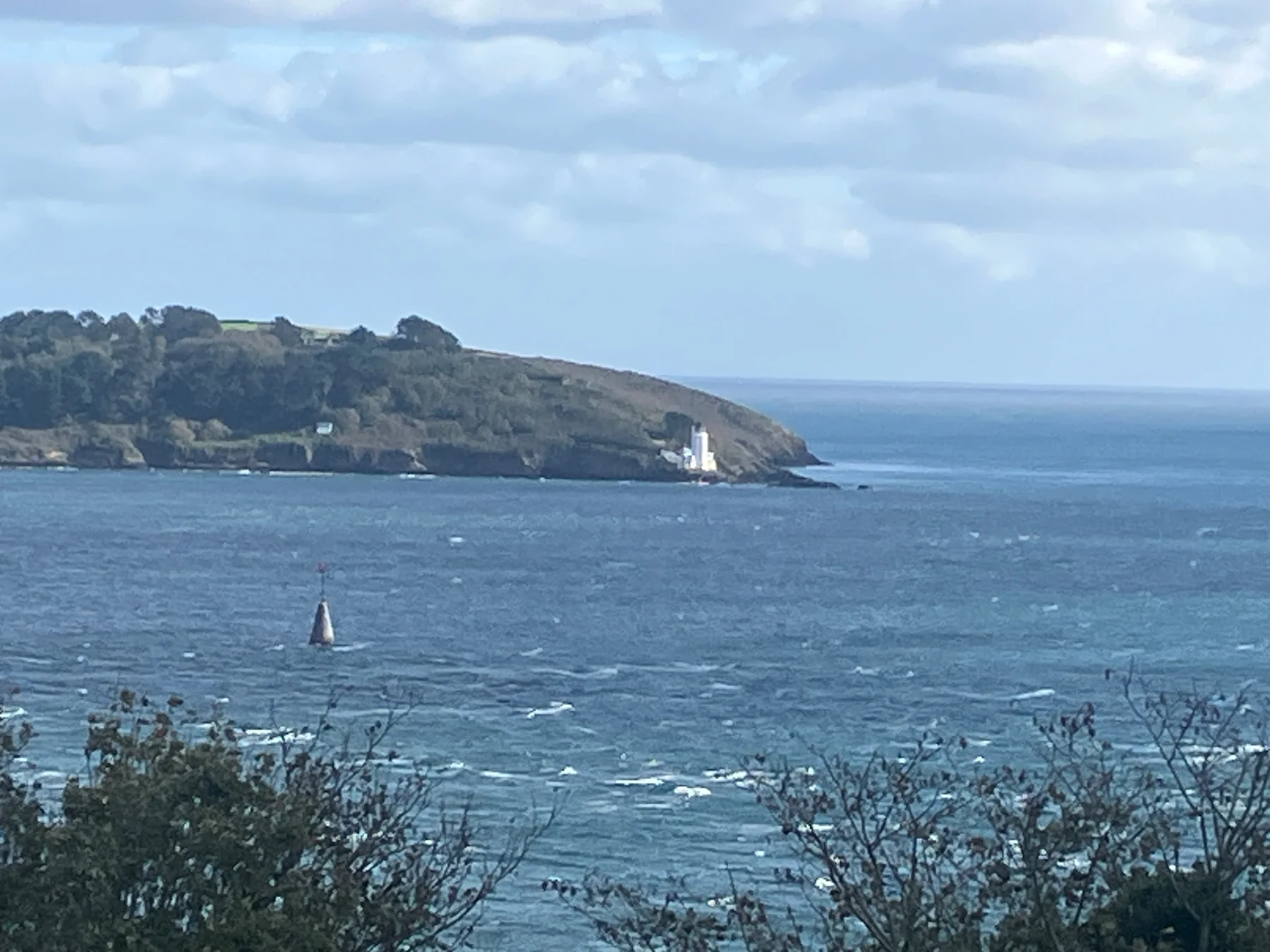
If the weather changes, lunch runs late or you find somewhere you want to stay longer, we simply adapt.
A different kind of Cornwall tour
Perhaps you want fishing villages and hidden churches. Perhaps it’s St Michael’s Mount, the Lizard, prehistoric sites, St Mawes, a ferry crossing or a stretch of the coast path. Tell me from where you’re starting, how long you have and what you enjoy. I’ll help work out what is realistically possible — without trying to cram Cornwall into a checklist.
If Cornwall’s history interests you, I can also put the places we visit into context: how mining, fishing, ports and communities developed; what changed when Brunel’s Royal Albert Bridge opened in 1859; and how the railway era that followed — including the GWR, affectionately known as “God’s Wonderful Railway” — helped reshape Cornwall before and after the coming of the railway.
Cruise ship, hotel, station or another location in Cornwall.
Scenery, history, gardens, villages, churches, archaeology, food — or a mixture.
We adjust as we go rather than watching the clock at every stop.
Real days, not standard packages
These are examples, not fixed itineraries. Your own day can be completely different.
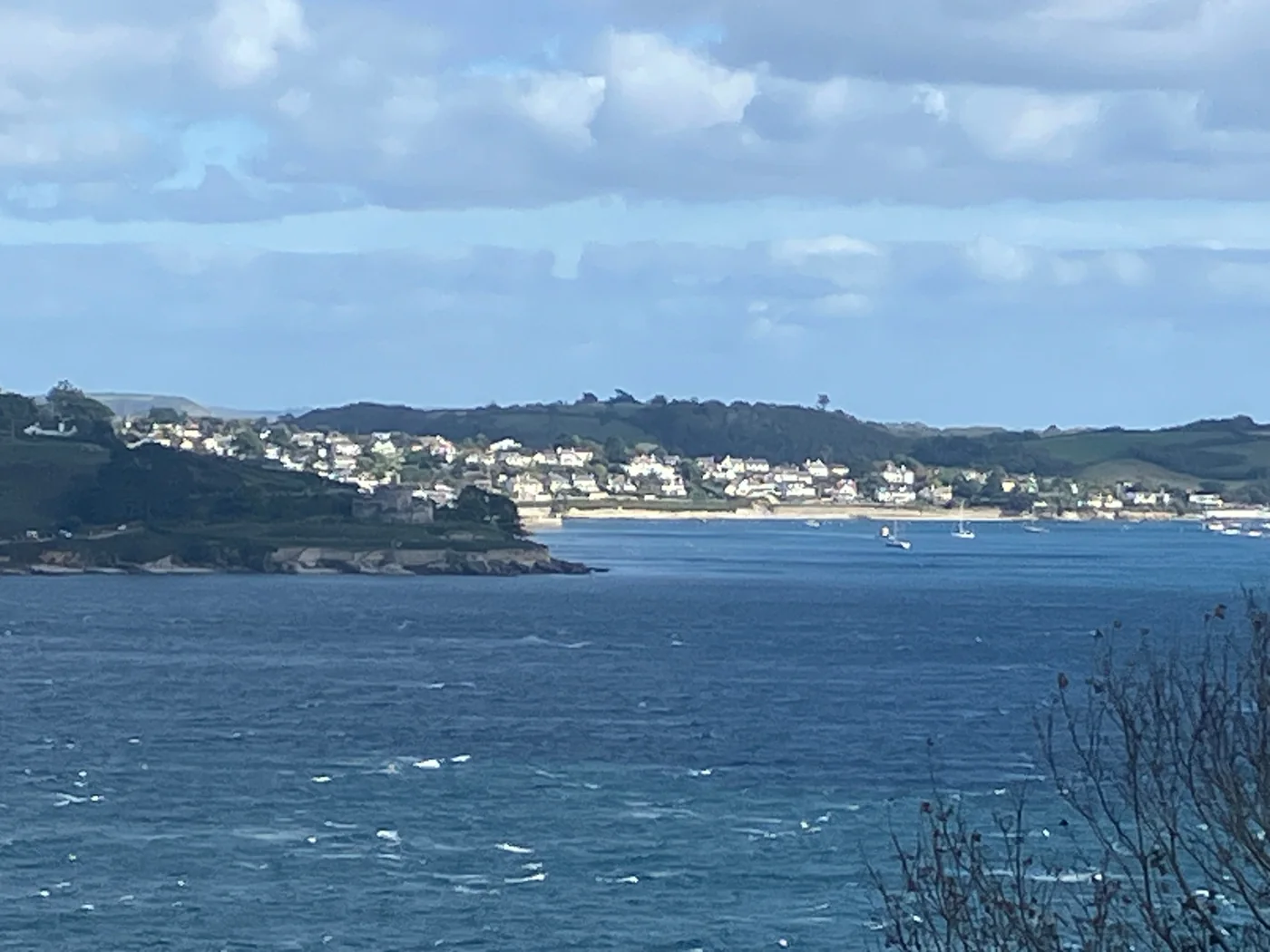
Roseland & the Lizard
A hotel collection near St Merryn, lunch at Hotel Tresanton, a stop at beautiful St Just-in-Roseland church, the King Harry Ferry and then south to Kynance Cove.
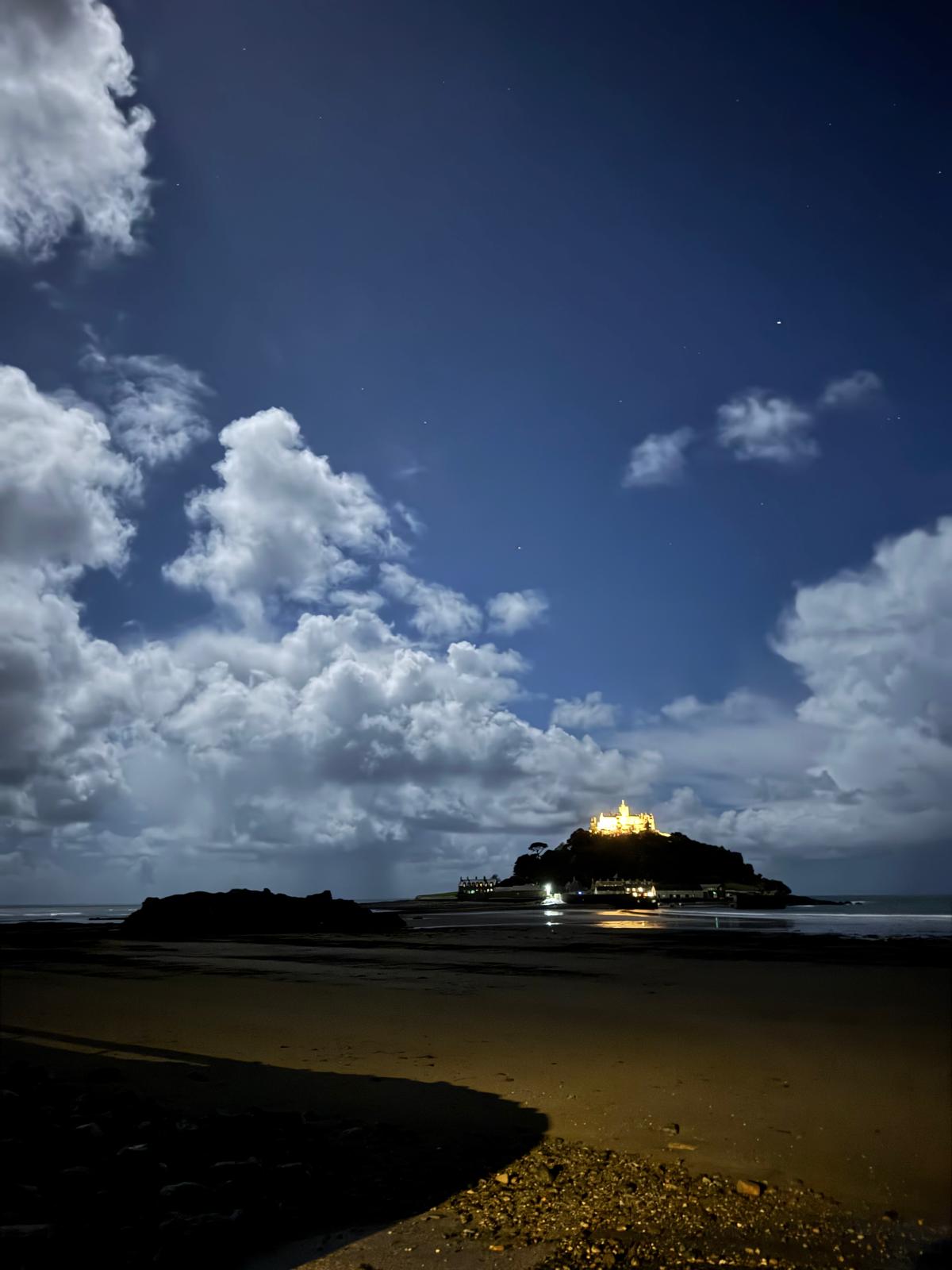
West Cornwall
For two French-Canadian guests, three days evolved around the places that interested them most — Mousehole, Newlyn, Marazion, prehistoric sites and the coast — with walking kept comfortable and flexible.
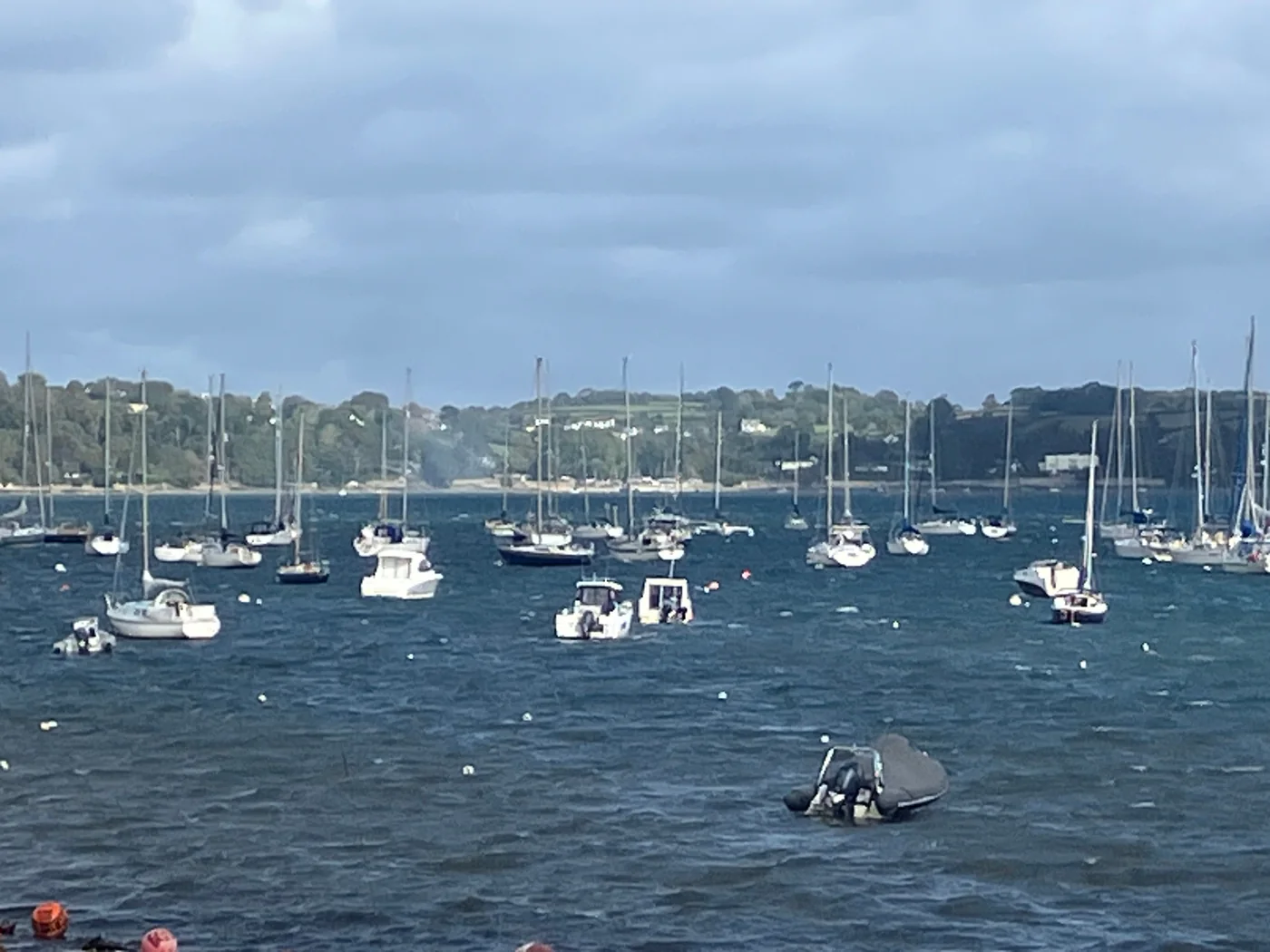
When plans change
When two cruise passengers unexpectedly needed to return to their ship before continuing, I simply waited until they were ready. A private day out should work around you, not the other way round.
More than a beautiful view
Part of the pleasure of a day out is understanding why Cornwall looks, feels and developed as it did.
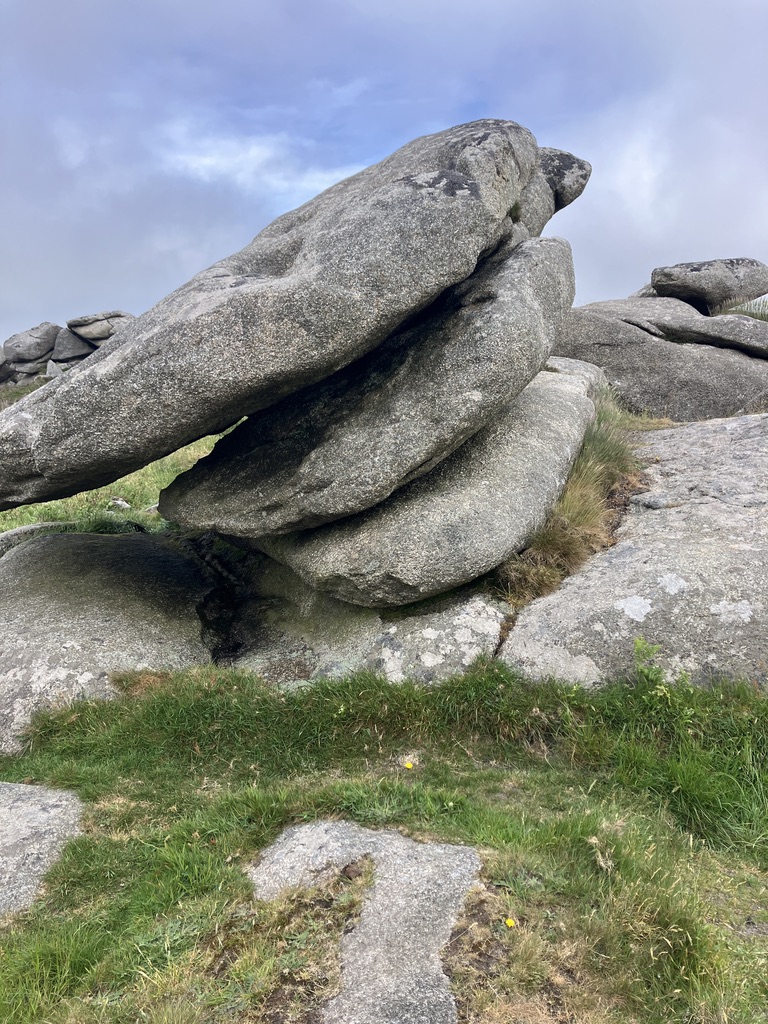
Geology & mining
Cornwall’s story is written both in the rocks you can see and in the miles of workings hidden below them. The granite around Carn Brea belongs to the great Cornubian granite system, emplaced roughly 290 million years ago. Much later, mineral-rich fluids associated with those granites helped create the tin and copper deposits that shaped Cornwall’s mining history.
Further south, the Lizard tells an even stranger story. At Kynance Cove, the red and green serpentinite belongs to an ancient fragment of oceanic crust and upper mantle formed around 400 million years ago and later pushed onto the continental crust. You can quite literally stand beside rock that began life beneath an ancient ocean.
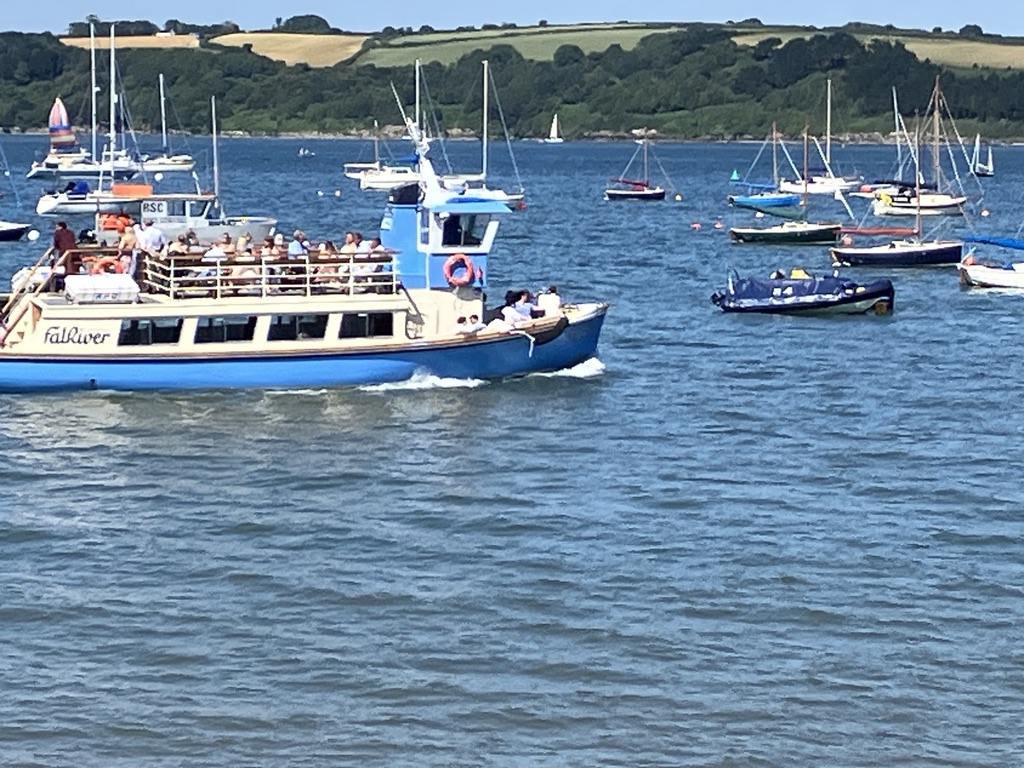
Trade, ports & railway
That is a useful shorthand rather than an overnight change. For centuries Cornwall’s minerals, fish, stone and clay moved through its beaches and harbours. Before stone quays were built, small trading vessels could be run up onto a beach at high tide and loaded or unloaded there. Even the earliest local railways were built mainly to carry coal inland and ore or stone back out to the coast.
We now have scientific evidence that tin from south-west Britain reached Mediterranean shipwrecks in the Bronze Age. The old story of Phoenician traders coming directly to Cornwall remains a fascinating tradition, but it has not been proved; the metal may have passed through several trading networks on its journey south and east.
Then Brunel’s Royal Albert Bridge opened in 1859, completing the Cornwall Railway connection across the Tamar. Cornwall was no longer dependent on sea routes for long-distance trade and travel. The Cornwall Railway remained independent until 1889, when it was absorbed into the Great Western Railway — “God’s Wonderful Railway” to generations of admirers.
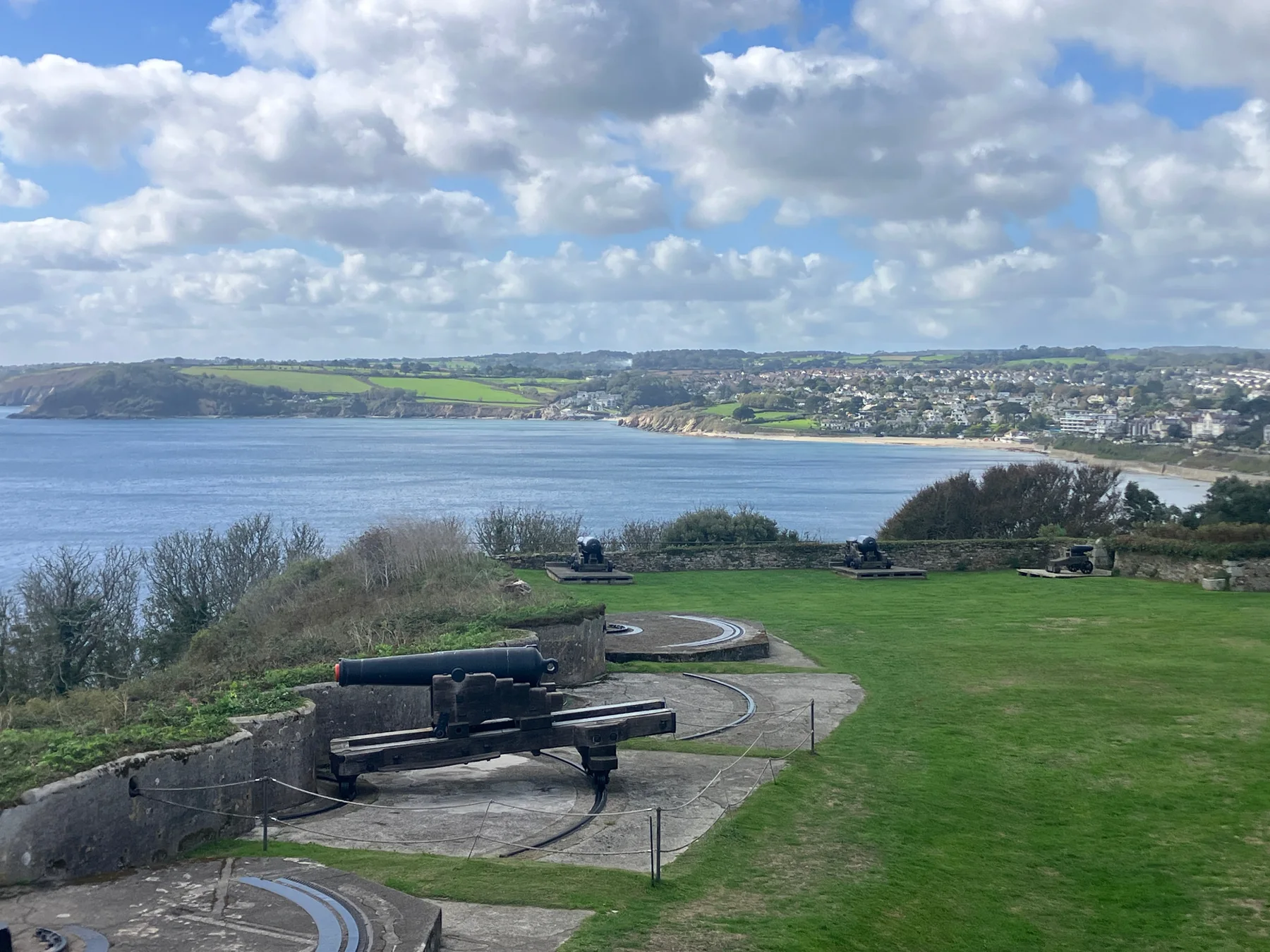
Harbour & defence
The great natural harbour of Carrick Roads has drawn sailors, merchants and navies for centuries. Pendennis Castle and St Mawes Castle were built on opposite sides of the entrance in Henry VIII’s reign, and the defences continued to evolve long afterwards as weapons and threats changed.
From Pendennis you can look across to St Mawes, Black Rock and St Anthony Head and see the geography for yourself: a sheltered anchorage behind a comparatively narrow entrance to the sea. It is one of those places where the view makes the history immediately understandable.
Mylor & naval history
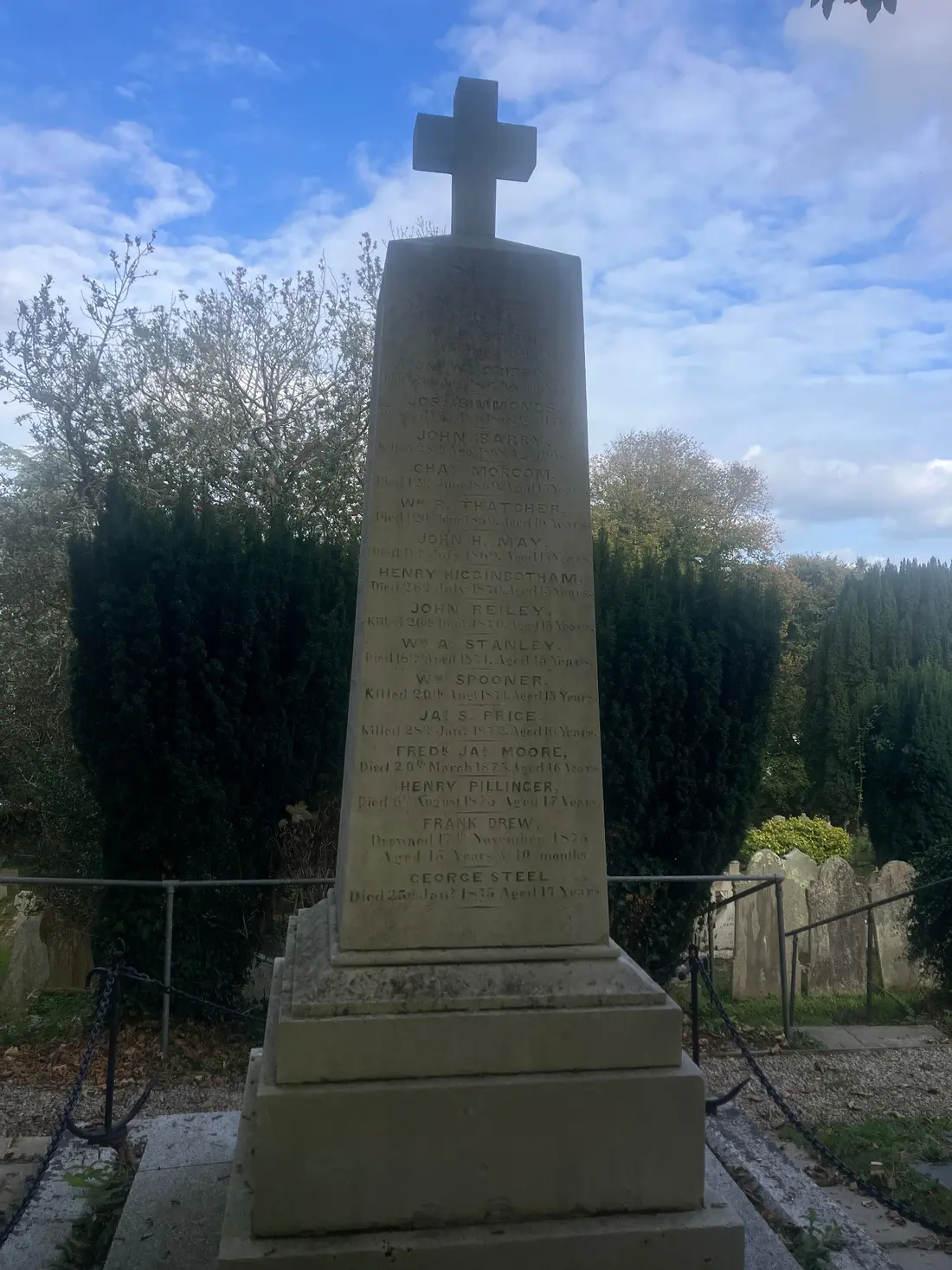
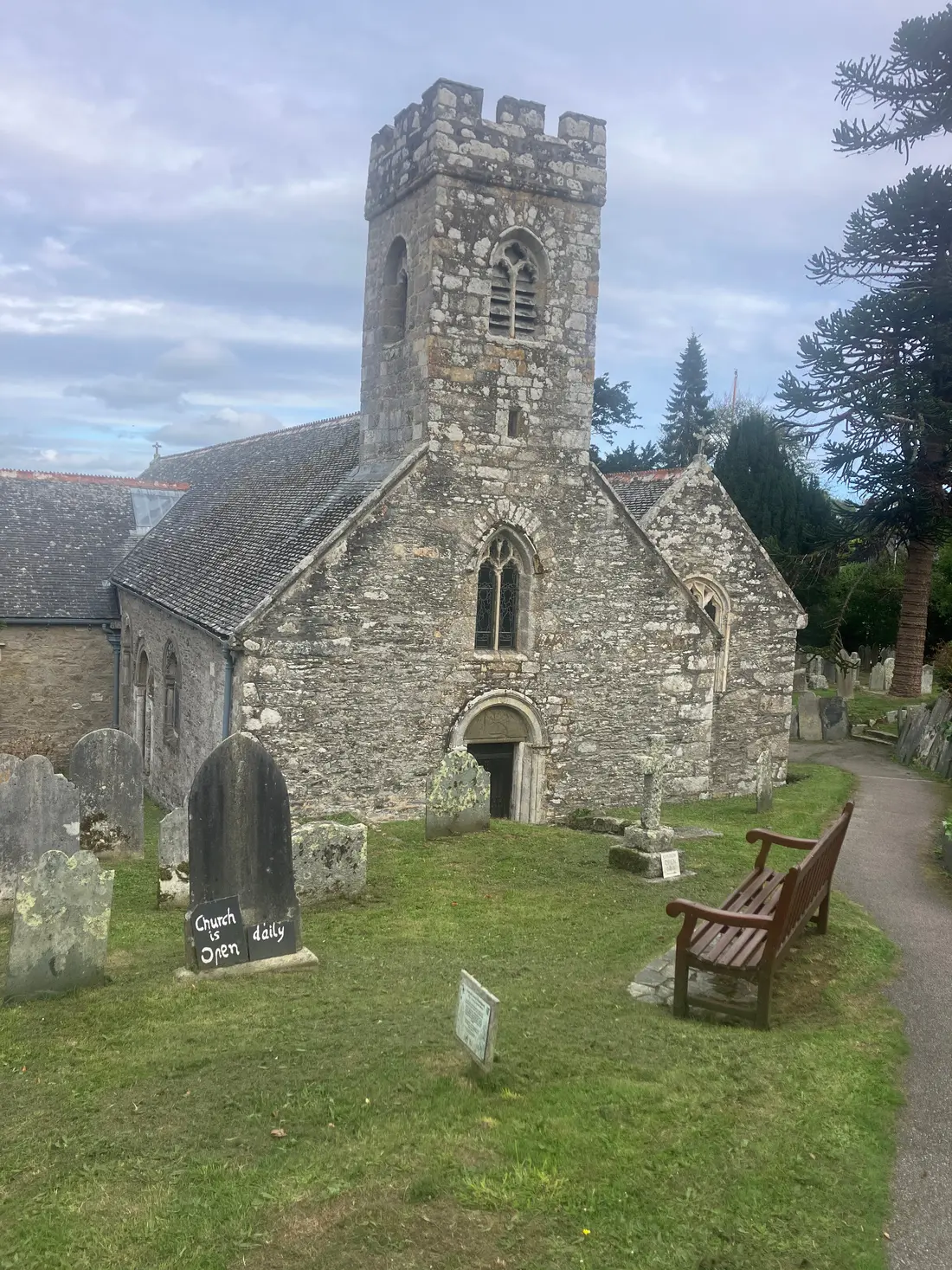
In the peaceful churchyard at St Mylor stands a memorial with a much harder story to tell.
HMS Ganges was an 84-gun wooden warship, built in Bombay and launched in 1821. After her fighting days were over, she became a Royal Navy training ship for boys and arrived in Falmouth in 1866.
For the following 33 years she lay at anchor near Mylor. Around 14,000 boys — many only fifteen or sixteen — passed through the ship to learn seamanship, gunnery, discipline and the elementary education they would need in the Fleet.
Life aboard was demanding and sometimes dangerous. More than 50 boys died through illness, accident or drowning during the ship’s time here. Their shipmates erected this memorial in 1872, and their names and young ages remain carved into the stone.
It is an easily missed corner of Cornwall: a quiet churchyard overlooking beautiful Carrick Roads, preserving the story of thousands of boys who began their lives at sea here.
North Cornwall
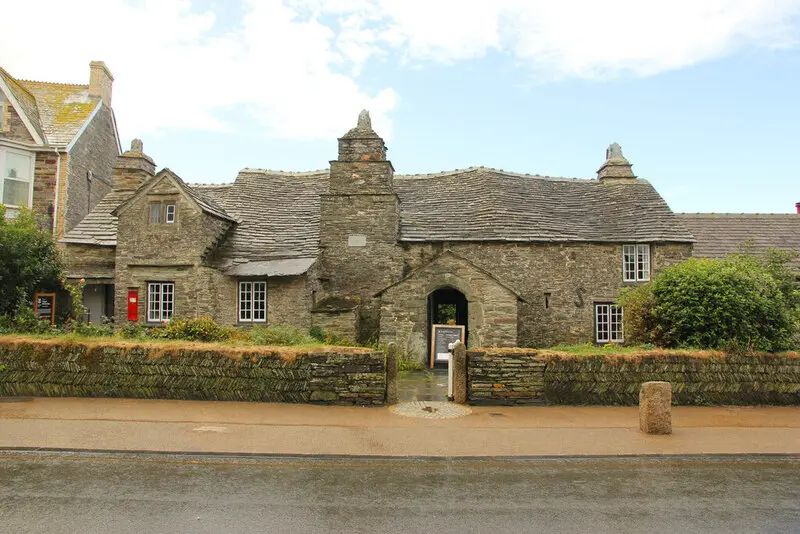
On Tintagel’s busy village street stands perhaps its most tangible historical surprise. The Old Post Office was built in the late 14th century as a farmhouse, not a post office. Its name comes from a relatively brief spell as the village’s letter-receiving office during the Victorian period.
The building was altered repeatedly as the lives of its occupants changed. Thatch gave way to local slate, a chimney replaced the open hearth and rooms were added beneath the roof. The result is the famously uneven little building that survives today — more than 600 years of Cornish domestic history held beneath one wavy roof.
Out on the headland, archaeology shows that a prosperous community lived at Tintagel from the 5th to the 7th centuries, probably associated with Cornwall’s rulers and trading with the Mediterranean world.
The Arthurian connection came later. Geoffrey of Monmouth named Tintagel as the place of Arthur’s conception in about 1138. There is no archaeological evidence that Arthur lived here, but the story became so influential that Richard, Earl of Cornwall, apparently built his 13th-century castle partly to associate himself with the legend. At Tintagel, the distinction between archaeology and storytelling is part of what makes the place so interesting.
Prehistoric & Romano-British Cornwall
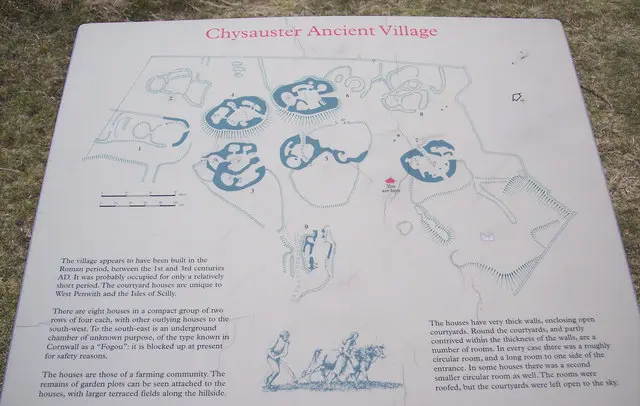
West Cornwall preserves traces of communities separated from us by thousands of years. The Merry Maidens stone circle and nearby Tregiffian burial chamber belong to the late Neolithic or early Bronze Age — but the ancient villages of Chysauster and Carn Euny are considerably later.
Chysauster developed from an Iron Age settlement, with its distinctive stone courtyard houses occupied mainly during the Romano-British period. At Carn Euny, people lived from around 400 BC until approximately AD 400, farming the surrounding land and rebuilding their homes as generations passed.
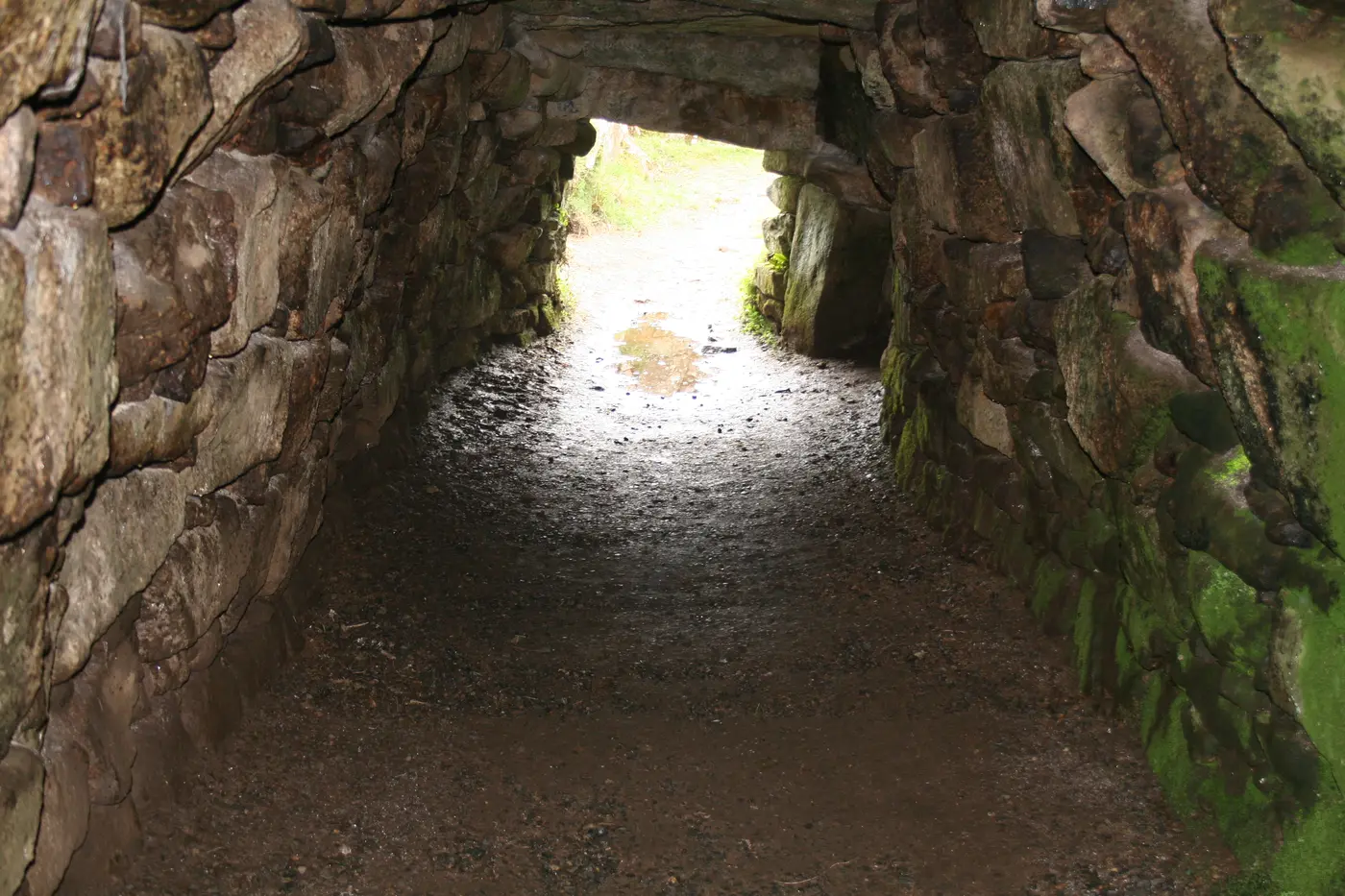
Carn Euny also contains one of Cornwall’s mysterious fogous: an underground stone passage of a type found only in the far west. Whether fogous were used for storage, refuge or ceremony remains uncertain.
Here, admitting what we do not know is part of understanding what the surviving evidence can genuinely tell us.
A few threads we can follow on the road
Historical and geological background is checked against sources including the Geological Society of London, British Geological Survey, Historic England, English Heritage, the National Trust, Cornwall Heritage Trust, St Mylor Parish Church, Mylor Local History Group, the HMS Ganges Museum and recent Bronze Age tin research published in Antiquity.
Kind words from recent guests
“We will never forget our stay in Cornwall because of you.”
“I’m so glad you insisted we use Andie instead of the company driver. It was a wonderful tour.”
Testimonials are shown anonymously unless guests have given permission to use their names.
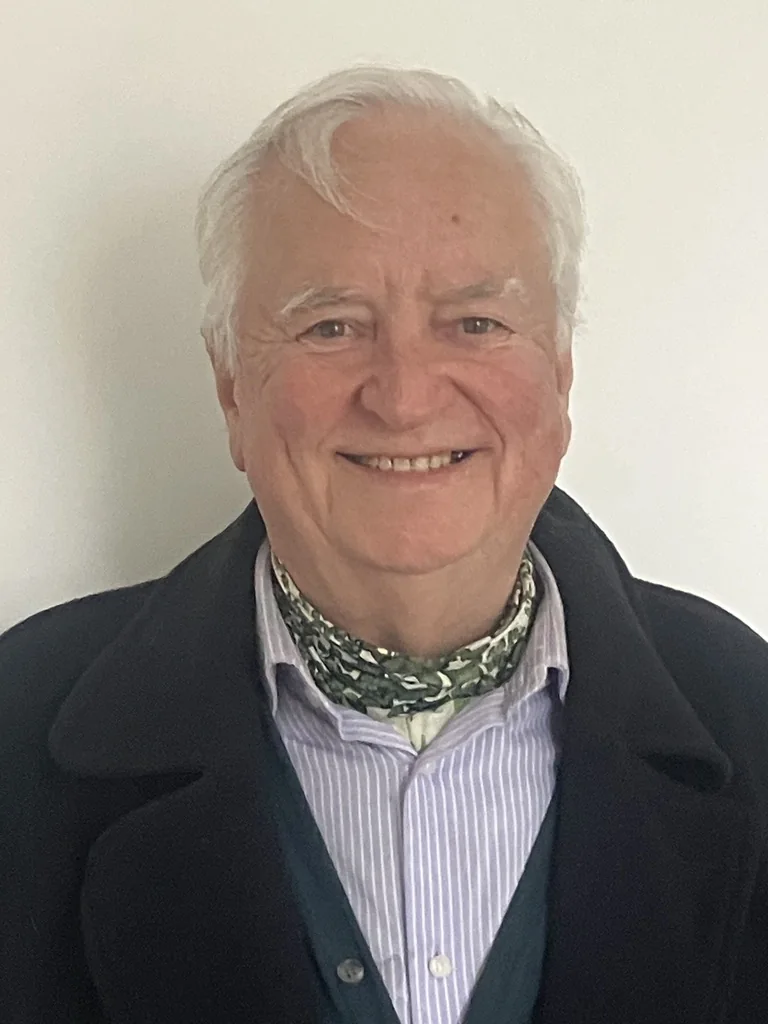
Your driver
I live and work in Cornwall and drive professionally here every week. What I enjoy most is showing visitors the Cornwall that lies between the famous sights — villages, churches, prehistoric remains, ferry crossings, viewpoints and stories that can easily be missed when following a fixed itinerary.
I’m particularly happy to adapt a day for people who don’t want to rush, who prefer limited walking, or who simply want time to enjoy the places they have travelled so far to see.
Ich spreche fließend Deutsch. I’m genuinely fluent in German and speak it naturally, without a noticeable English accent. German-speaking visitors from Germany, Austria and Switzerland are often surprised to meet someone in Cornwall with whom they can spend the whole day speaking German if they wish.
And yes — music sometimes finds its way into the journey too.
Good to know
Tell me your ship and expected shore time. I’ll suggest a route with a sensible margin for getting you back.
Start from your accommodation and finish there — or arrange a one-way day ending somewhere else.
From scenic viewpoints with almost no walking to short coastal stretches, we can adapt the day to suit you.
Hear how Cornwall changed through mining, maritime trade and the arrival of the railway, including Brunel’s Royal Albert Bridge and the later GWR era.
Wenn Sie möchten, können wir den ganzen Tag fließend Deutsch miteinander sprechen — ideal für Gäste aus Deutschland, Österreich und der Schweiz.
A half day, a full day or several days can all be discussed. Your interests determine the route.
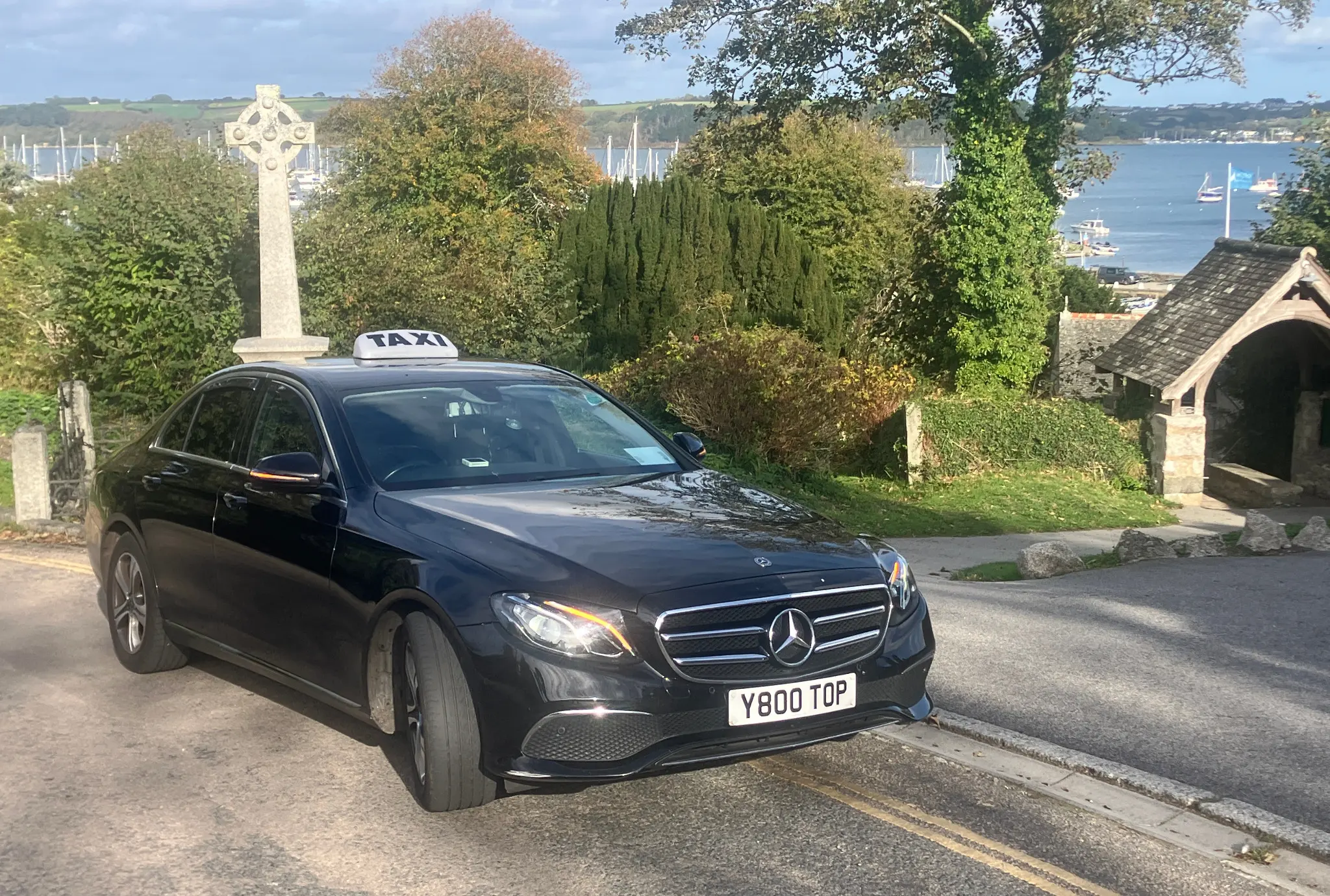
Comfortable, private and unhurried
A comfortable private car gives us the freedom to take the quieter road, pause at a viewpoint or change direction when somewhere catches your interest. There is no coach to wait for and no group timetable to keep.
Collection and return can be arranged around your cruise ship, hotel, station or another agreed place in Cornwall.
Planning a day in Cornwall?
I’ll suggest what is realistically possible and we can shape the day from there.

